Karama, located in Bur Dubai, is one of the city's most vibrant and historically significant districts. Known for its rich street life, diverse community, and reputation as a hub for Asian and South Asian cuisine, Karama has long been a cornerstone of affordable living and bustling commerce in Dubai.
Originally developed as part of the 1970 Dubai Masterplan, Karama was among the first residential neighborhoods to take shape in the city. Over the decades, it has evolved into a densely populated area with a strong sense of community and a unique urban character.
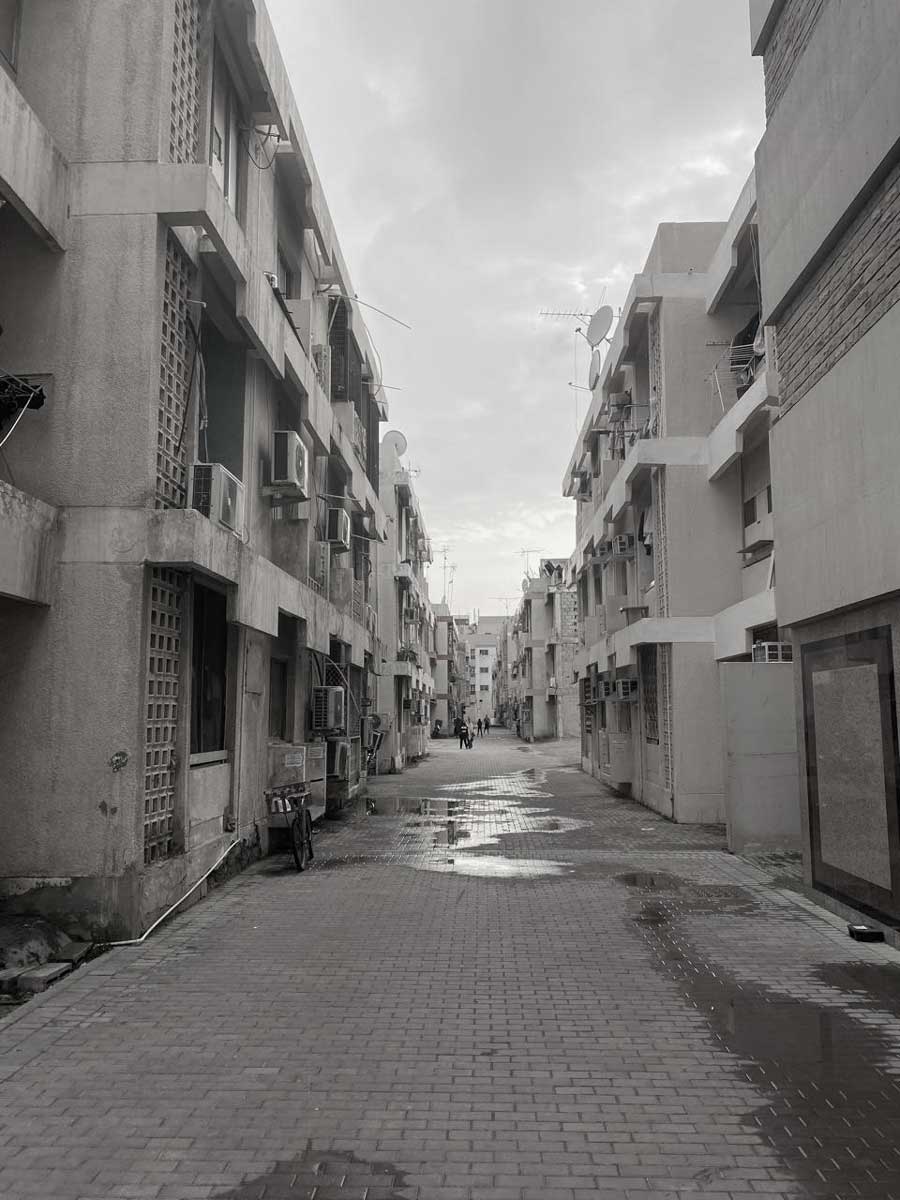
Now, as part of the ambitious Dubai 2040 Urban Master Plan, Karama is set to undergo a major transformation. One of the most notable proposals is the complete pedestrianisation of the district—a move that acknowledges both its potential and the growing challenges of congestion. This shift marks a significant milestone for Karama and represents a progressive step toward a more livable, people-centric urban environment.
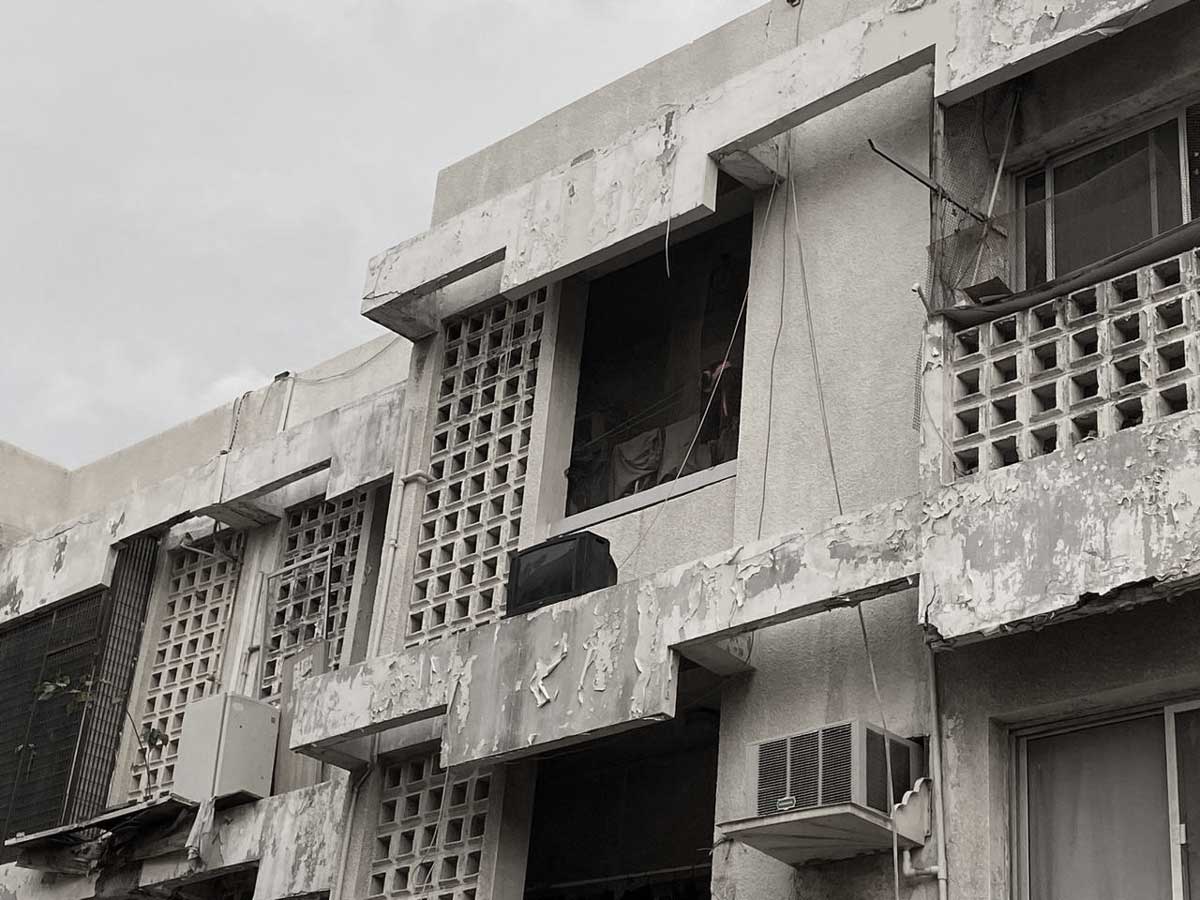
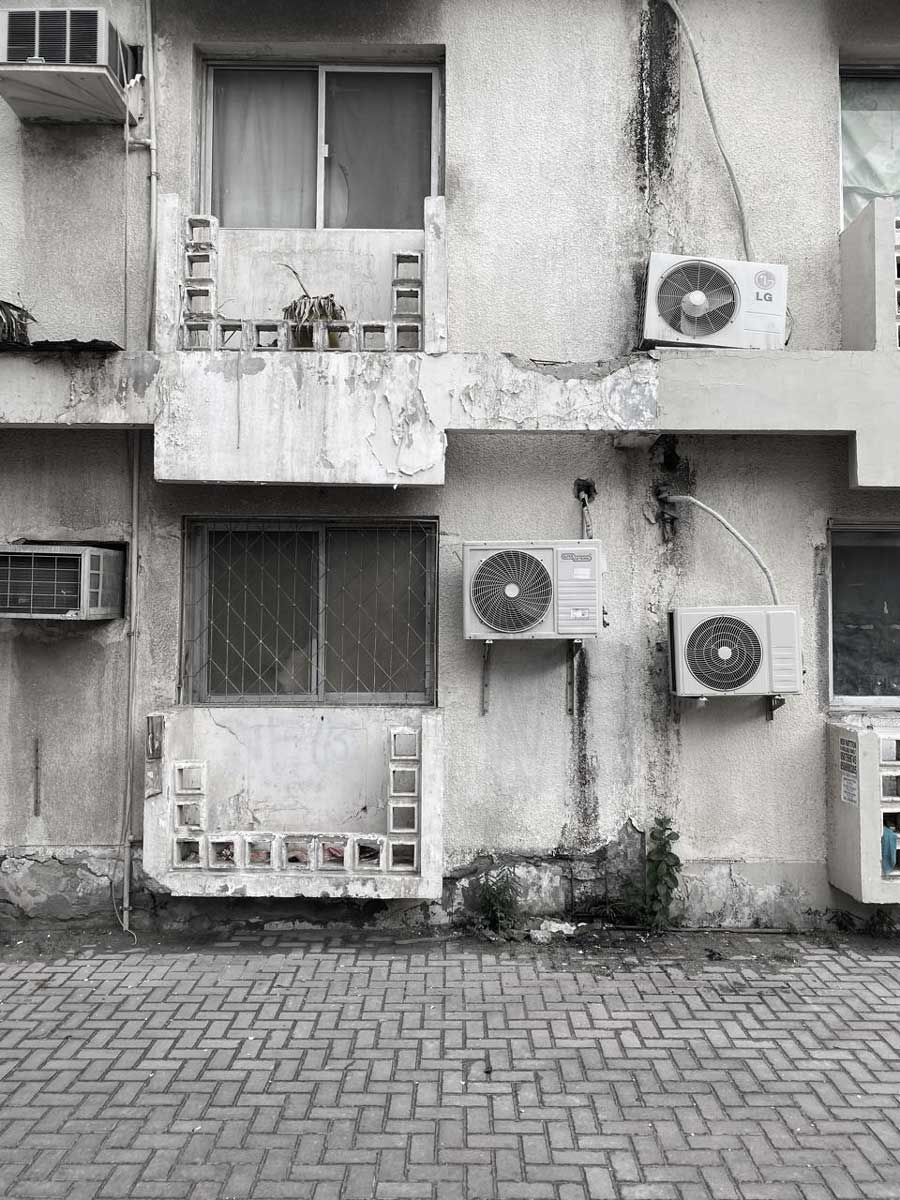
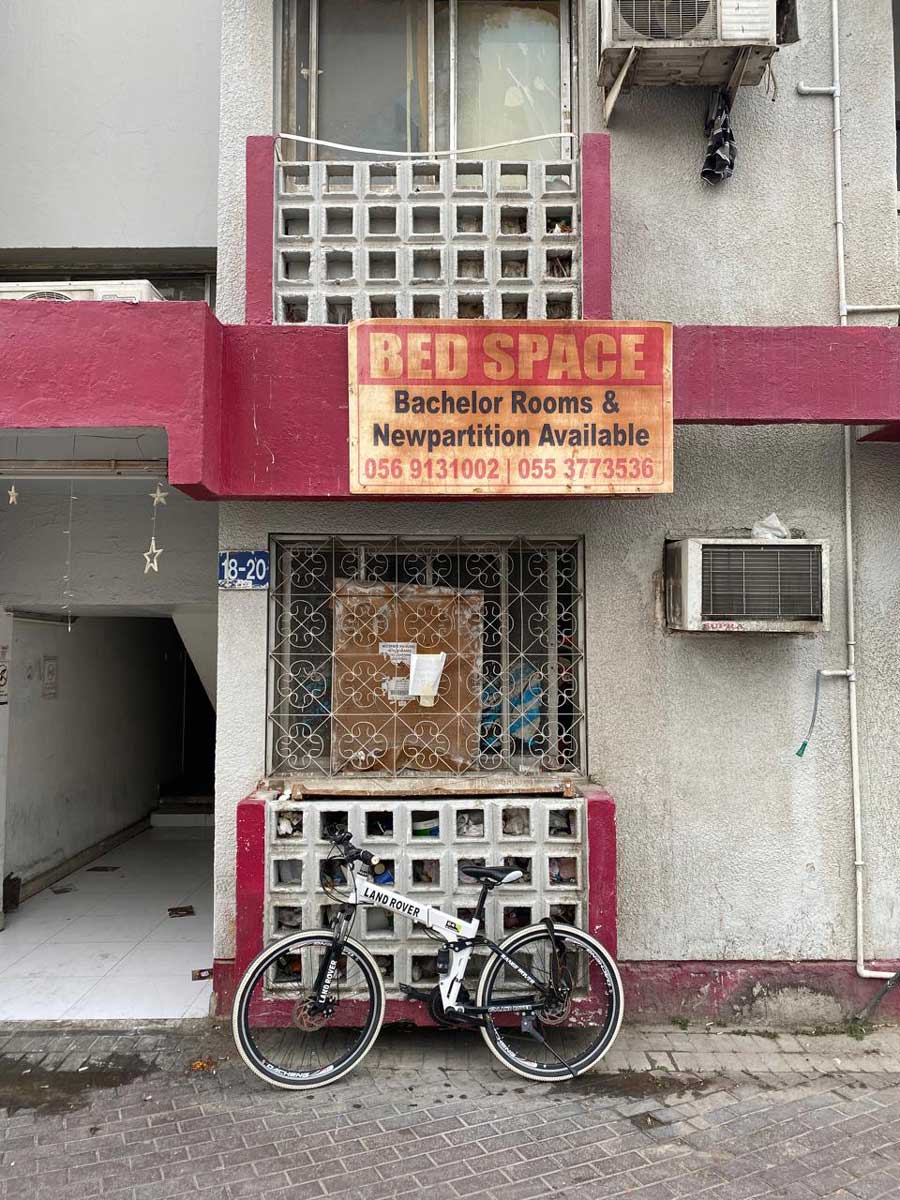
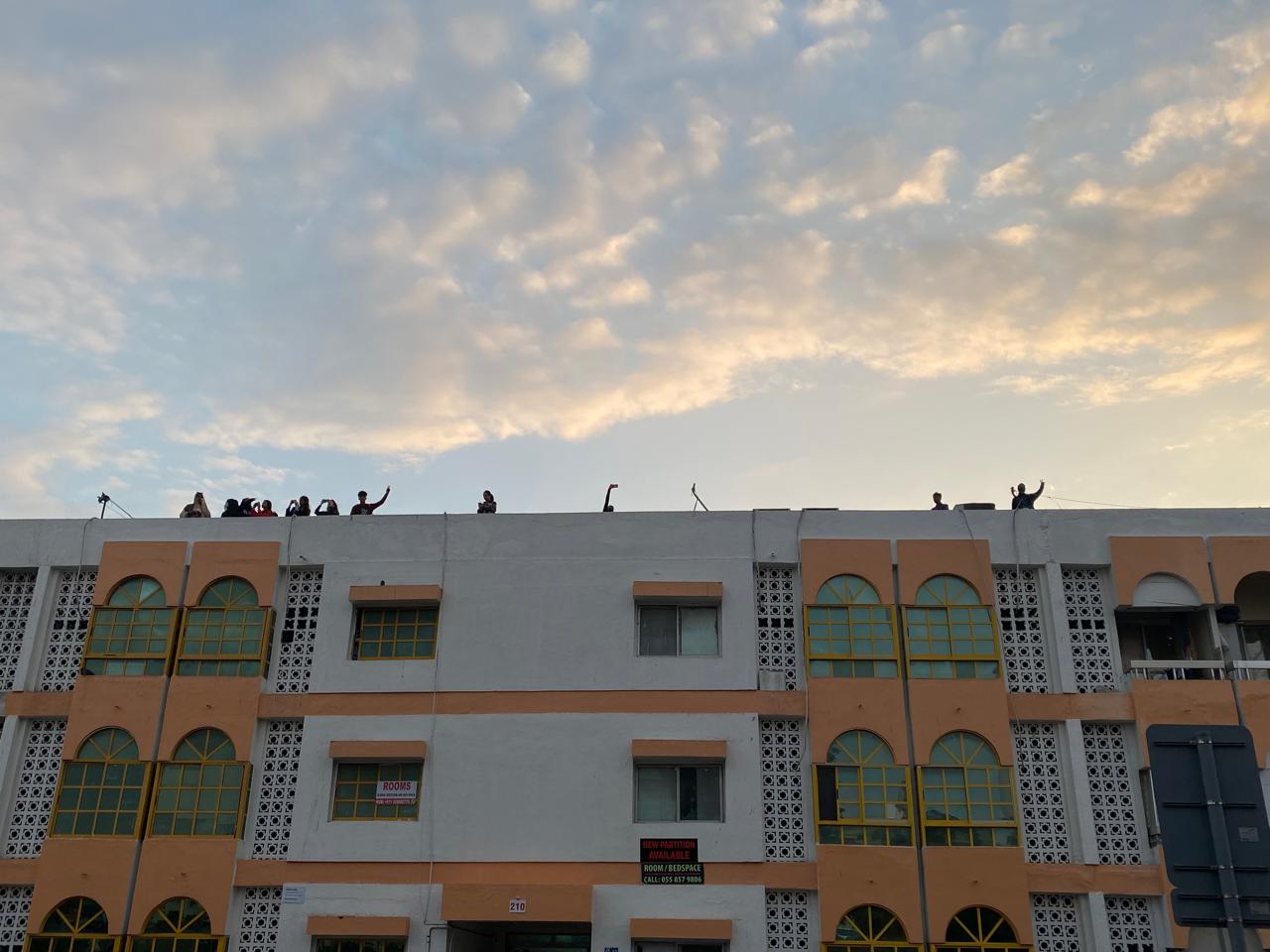
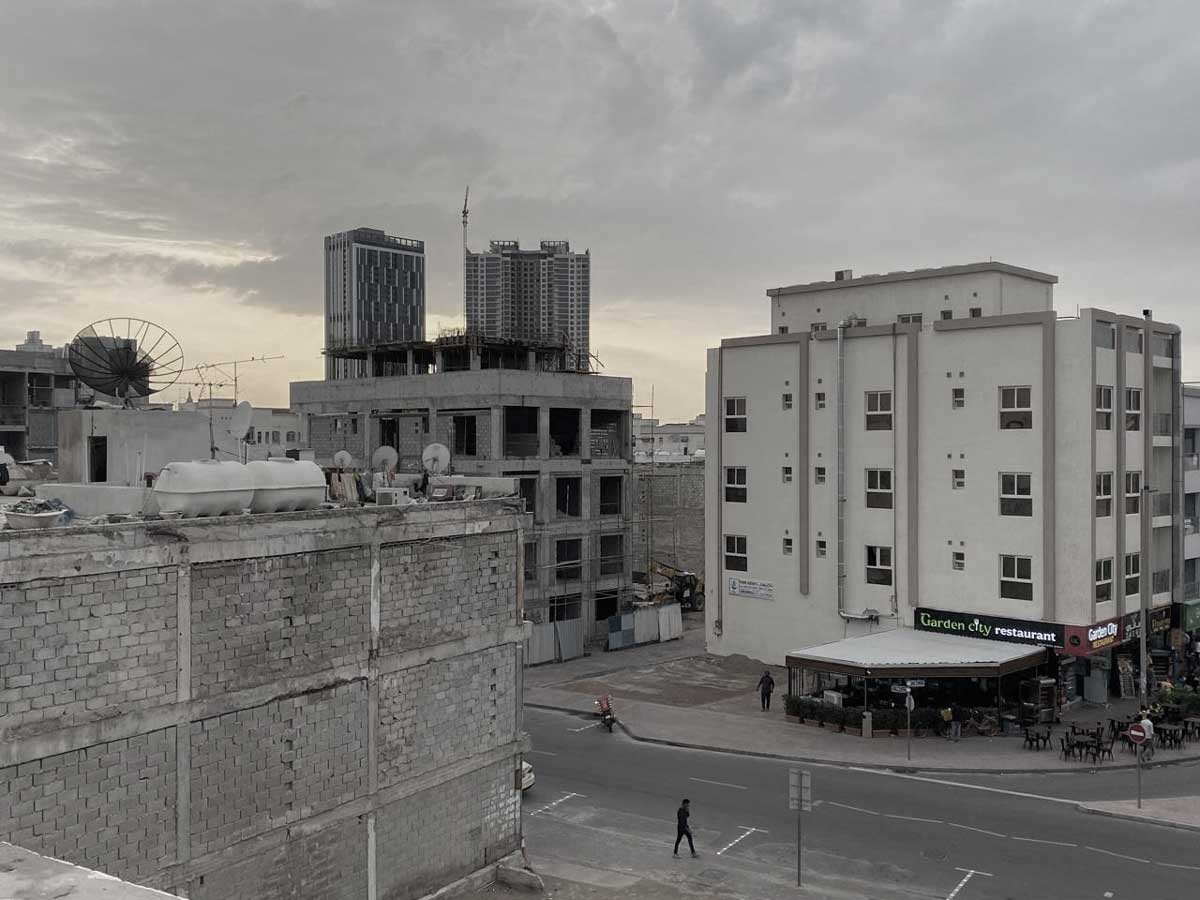
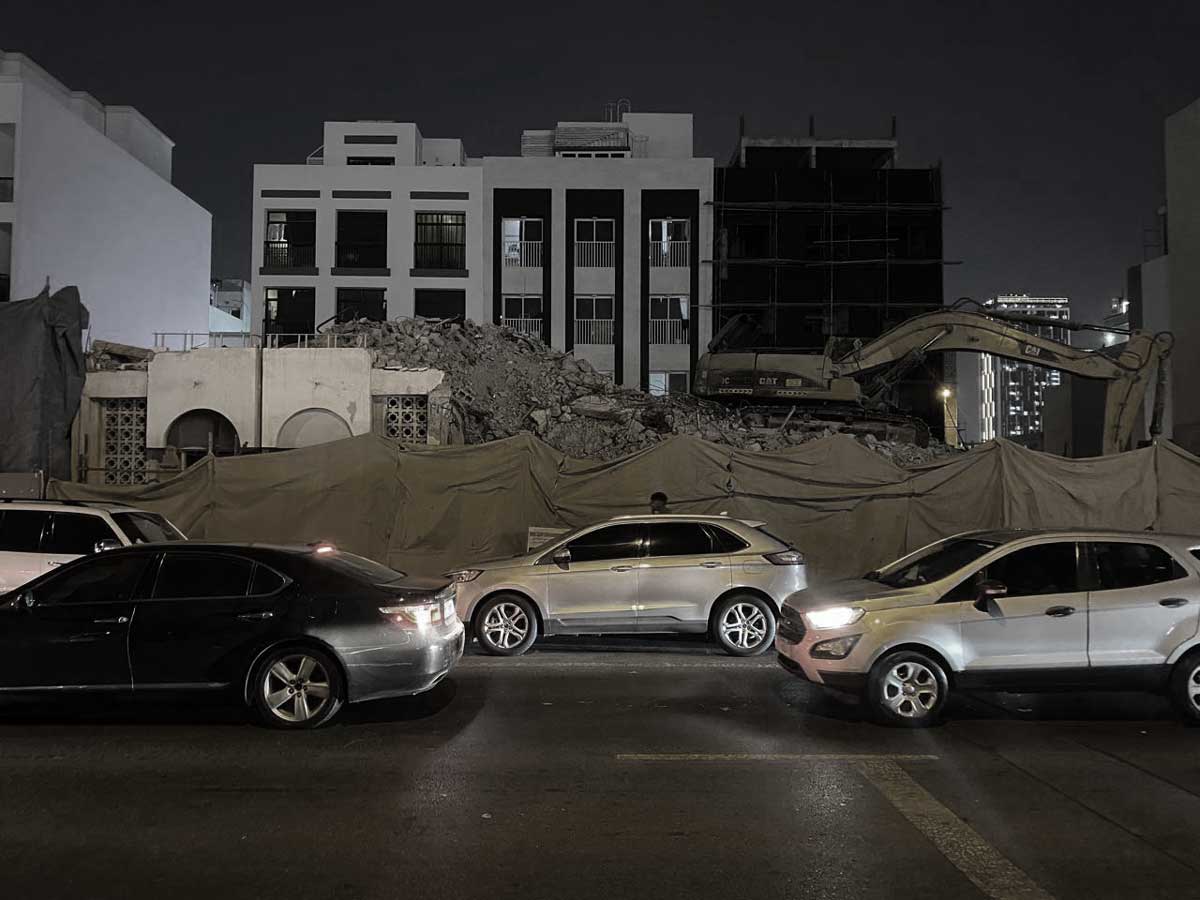
As Karama continues to evolve, it’s crucial that its identity is preserved. The neighborhood’s charm lies not only in its cultural diversity and economic vibrancy but also in its built environment. Unfortunately, many of the original residential blocks from the 1980s—once emblematic of Karama’s visual identity—are being replaced by newer developments that lack cohesion or architectural character.
While redevelopment is necessary to address aging infrastructure and improve living standards, including thermal comfort and building safety, there is a missed opportunity here. A design guideline tailored specifically for Karama could have helped retain its architectural essence while allowing for modernization.
With many of the original buildings already gone, the physical traces of “old Karama” are fading. What remains are the memories and stories of long-time residents—an intangible heritage that deserves to be honored and reflected in the neighborhood’s future.