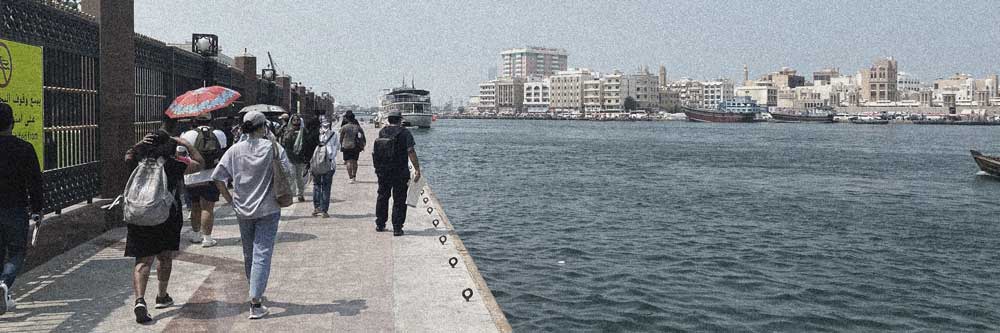
The Dubai Walk Master Plan was recently launched, and it’s nothing short of transformative. The vision? To create around 6,500 kilometers of pedestrianized access across the city—connecting districts, building new infrastructure, and nurturing a culture of walking that once defined Dubai’s urban life.
What strikes me most is how this initiative is framed as an infrastructure project. In many cities, walking is a basic, almost invisible part of daily mobility. But here, it’s being elevated to the level of strategic planning—rightfully so. It’s a recognition that walkability is not just a lifestyle perk; it’s a fundamental urban right.
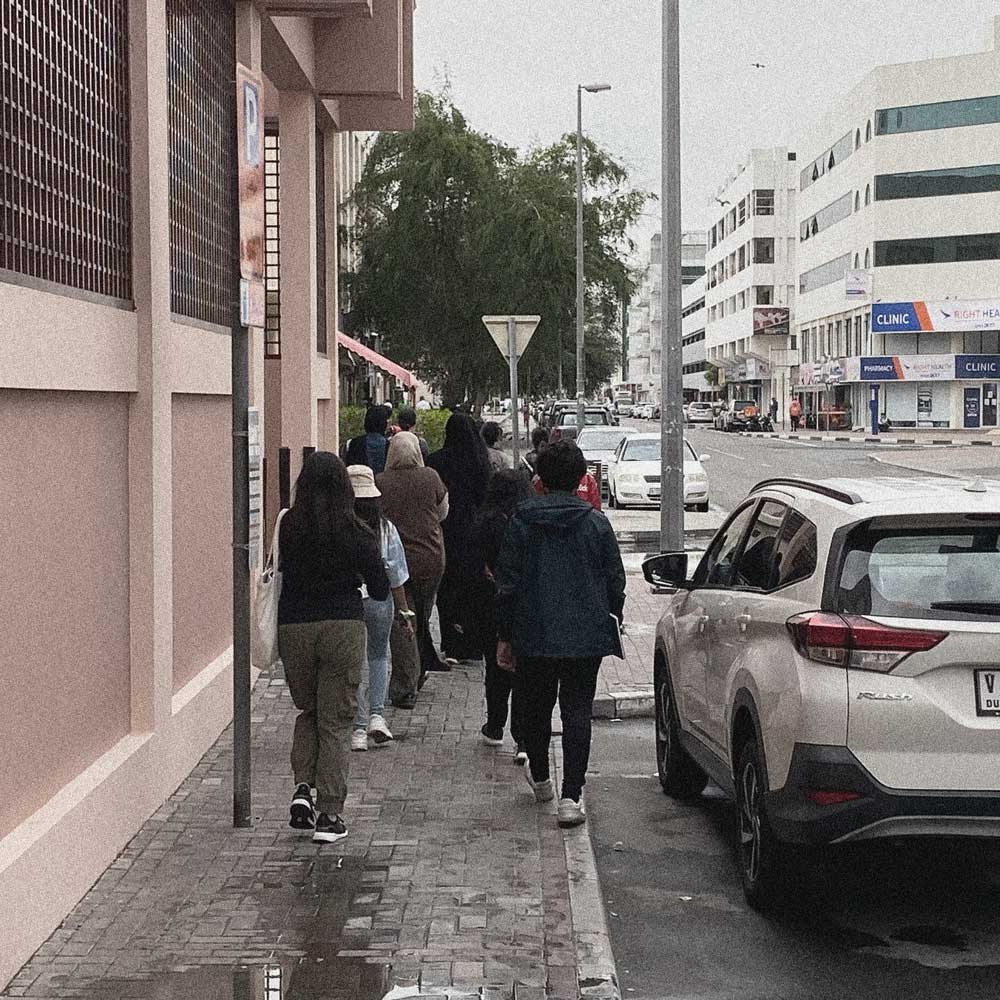
That said, I can’t help but wish this vision had come earlier. If this had been introduced 15 or 20 years ago, many of the developments we see today could have been aligned with this pedestrian-first approach from the outset. Instead, we now face the challenge of retrofitting—and in many cases, revitalizing—existing pathways and public spaces. This is not just about infrastructure; it’s about reclaiming a lost walking culture that was very much alive in the Dubai of the 1980s and 1990s.
This plan is also deeply tied to the broader vision of creating 20-minute city districts—compact, accessible neighborhoods where essential services are within a short walk or commute. But achieving this is no small feat. We live in a region with harsh weather conditions, making walking under the open sun a real challenge. That’s why elements like shading, greenery, misting systems, and district-specific identity are not just nice-to-haves—they’re essential.
One of the biggest hurdles, however, is behavioral. We need to nudge residents and communities to walk—not just for health and well-being, but as a primary mode of transport. Walking to work, to run errands, to meet friends—this needs to become part of our daily rhythm, not just a weekend activity or a fitness goal.
Just yesterday, I participated in a panel discussion at the Middle East Rail Convention at the Trade Center. The conversation, which included architects and engineers—many from Italy—centered on walkability in urban settings. It was fascinating to hear how European cities have embedded walking into their urban DNA, and how those lessons might be adapted to the unique context of Dubai.
This is a pivotal moment. We’re not just building walkways—we’re rebuilding habits, identities, and connections. And in doing so, we’re walking back to a future that’s more sustainable, more human, and more connected.